Launching the Internet-in-a-Box Project in Uganda

During our all-staff conference in January of 2020, Tiger Dawson introduced his vision to the Edify team that we would develop an education technology project that could be deployed broadly throughout Edify schools to help enhance student learning and to increase employable skills. Over the past two years, and amidst the pandemic's disruption to education, schools have been asking our Edify staff for help to deploy technology that will enable them to improve student learning. One area of focus has been that schools want their investment in education technology to not be locked away in a computer lab but to enable students to continue to learn from home so that they are protected from learning loss. The disruption presented by a global health crisis helped to clarify for schools what they would need for a more digitally connected future.
THE SMILE PROJECT
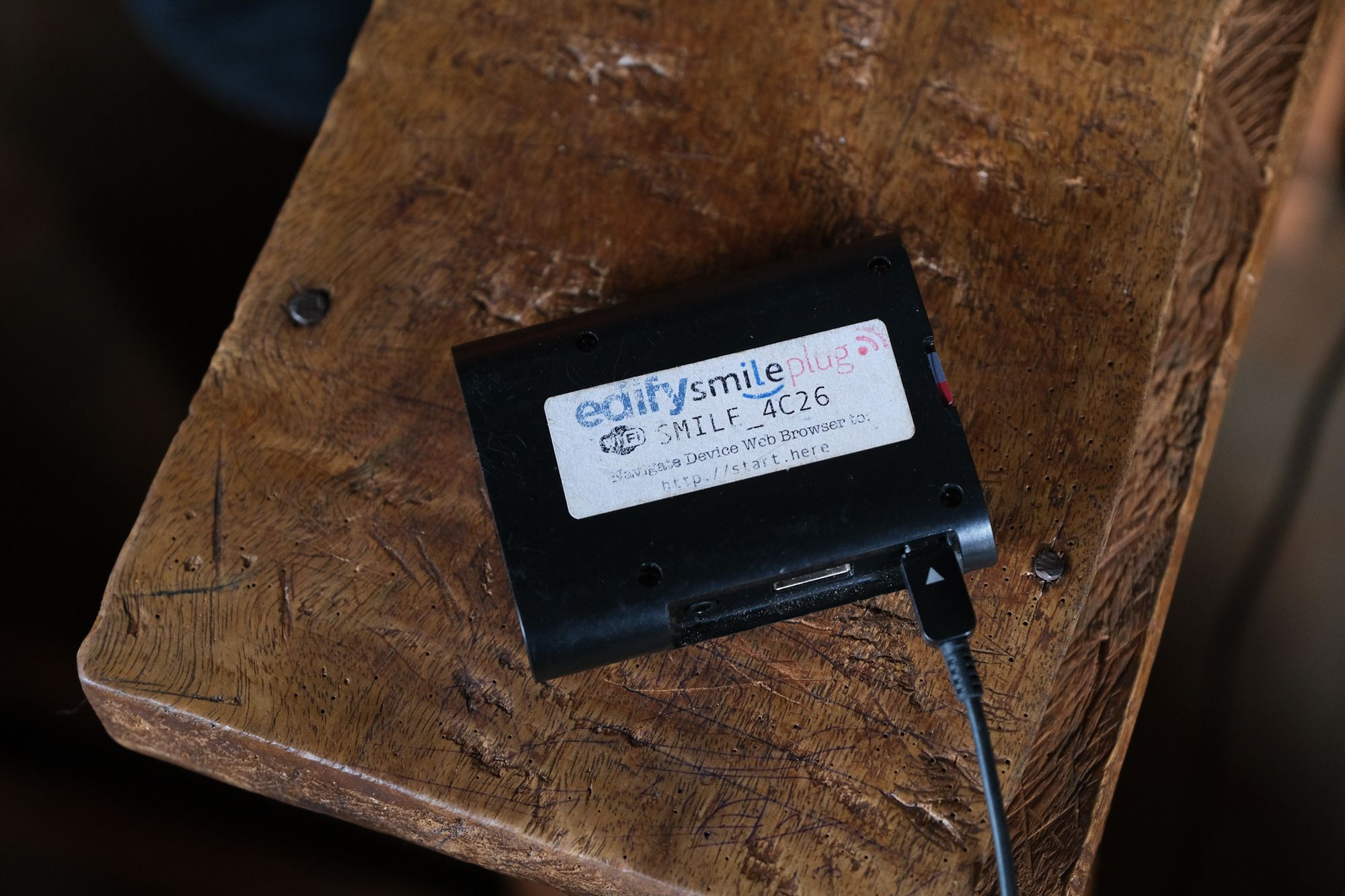
Edify launched the SMILE Project with a focus on improving critical thinking skills. Using a small computer called a Raspberry Pi, we integrated software to enable students to ask questions from their own devices and measured the improvement in their questioning skills over time. In addition to the SMILE software, we loaded up our device with software that enabled students to learn offline, without requiring access to the internet, and over time we learned from schools that this offline digital library had become a valuable resource for student learning.
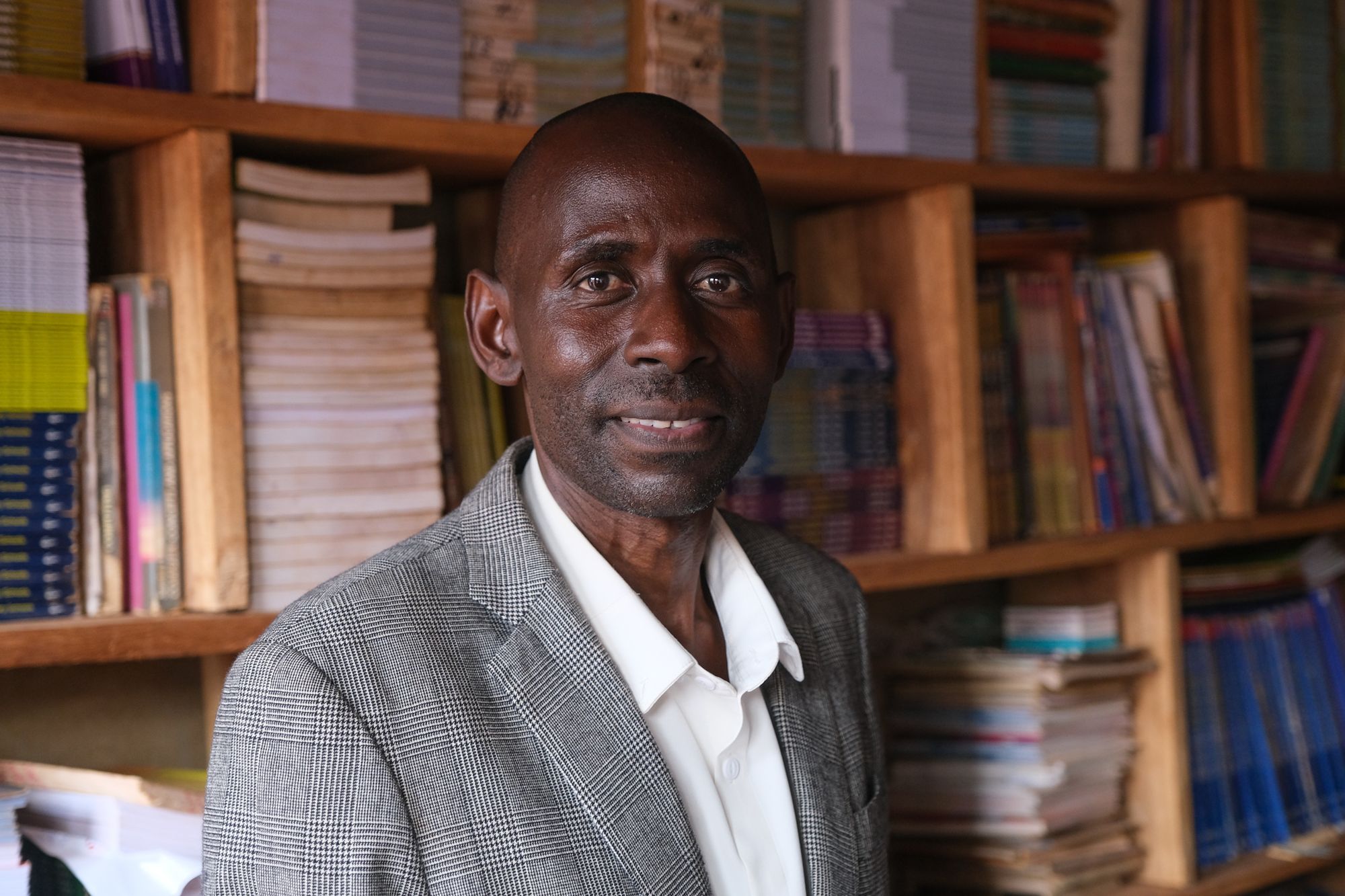
The Jinja Parents School pictured below is one example of a school that benefited from the SMILE Project. Jackson, the dedicated proprietor of this school explained to us that he looks to improve his school by bringing the best consultants that he can find to help him learn how to make his school effective with the use of technology for learning. We have been a partner with Jackson on the journey to improve his school and he proudly showed me a classroom full of students learning with SMILE.
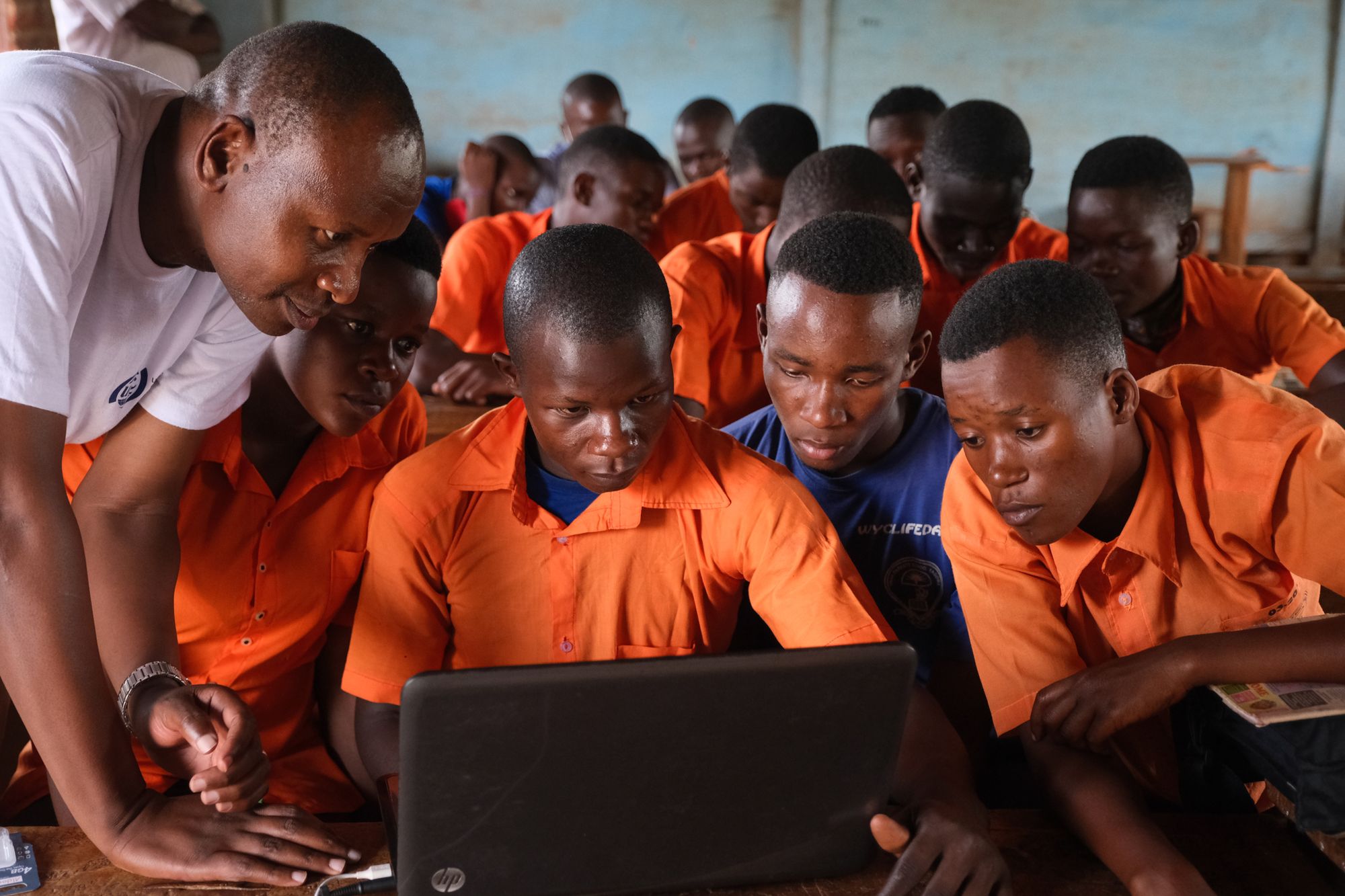
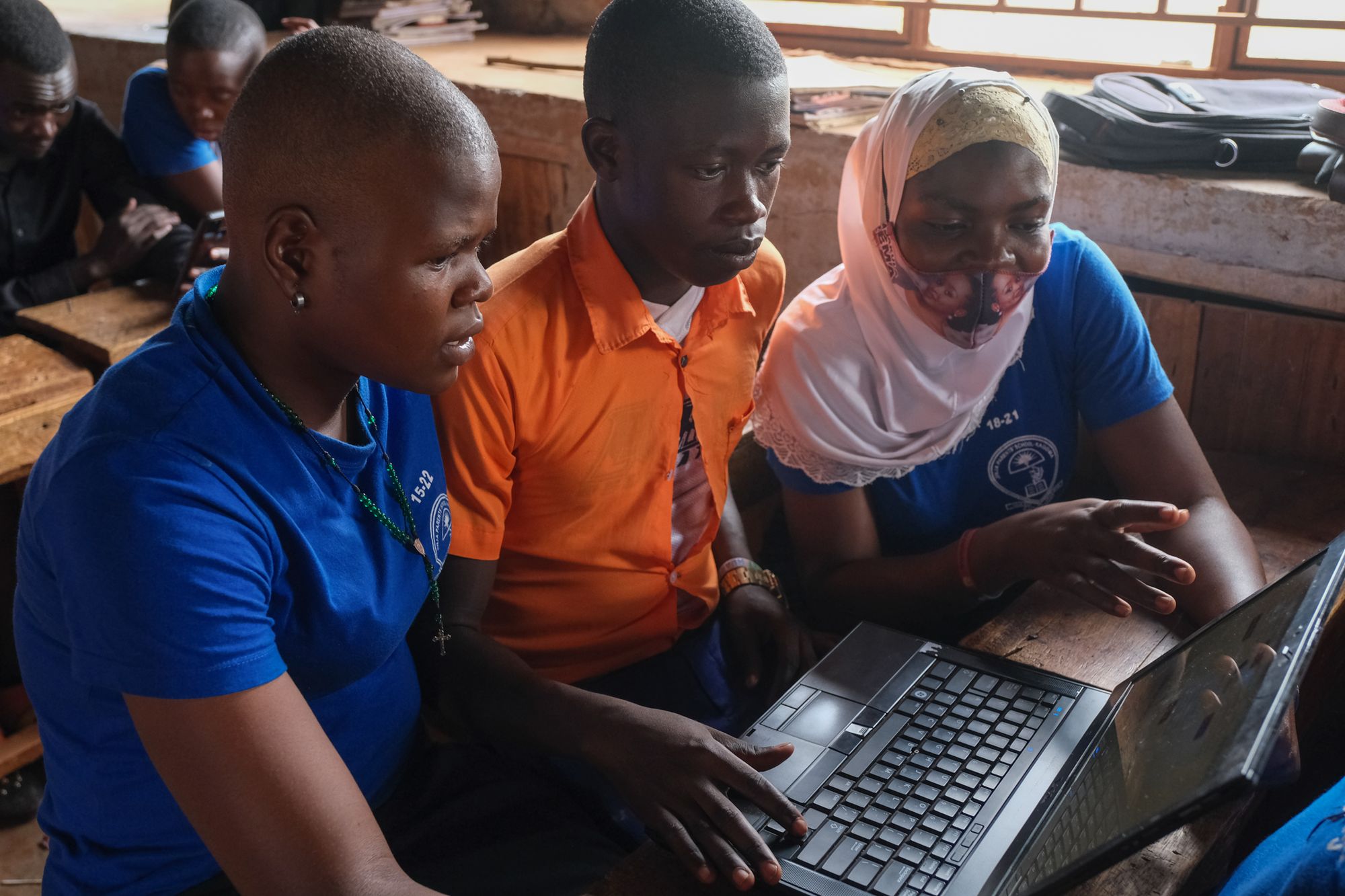
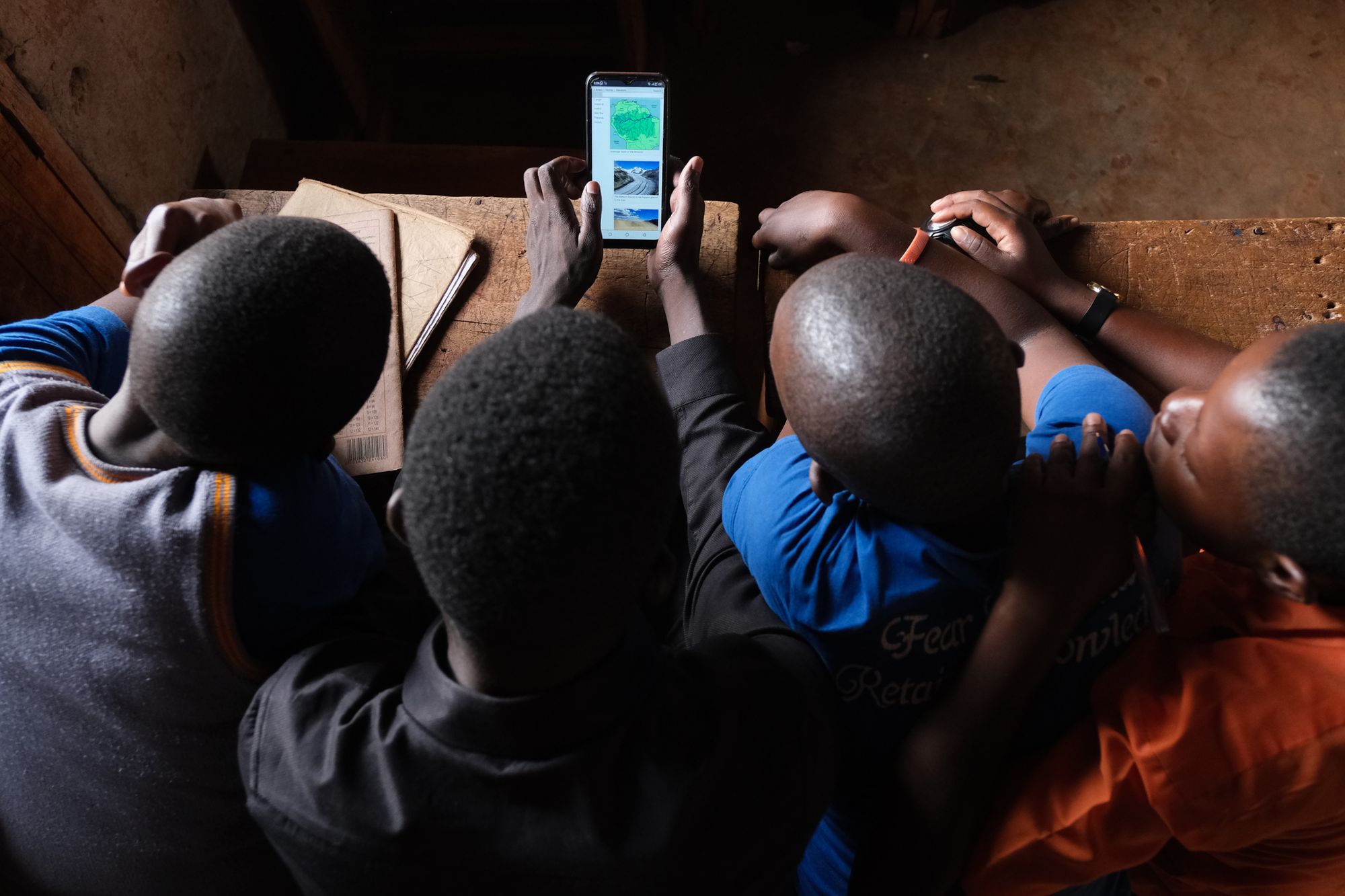
Students at the Jinja Parents School connecting to an Edify SMILE device to do research in class.
ANNOUNCING A NEW PRODUCT
The request that we have most consistently received from schools using our SMILE project is that they wanted to be able to add their own localized content to the device to align it with local curriculum needs. Recognizing the desire to customize student learning with relevant local content, we set out to create an upgraded offline learning device that would include a digital library and resources to teach technology skills, while adding a new set of digital tools that would enable educators to create contextualized content that could easily scale to all of the schools participating in the project.
We wanted to bridge the gap between the online and the offline world, by enabling schools to access, create and utilize technology for learning, without requiring access to the internet.
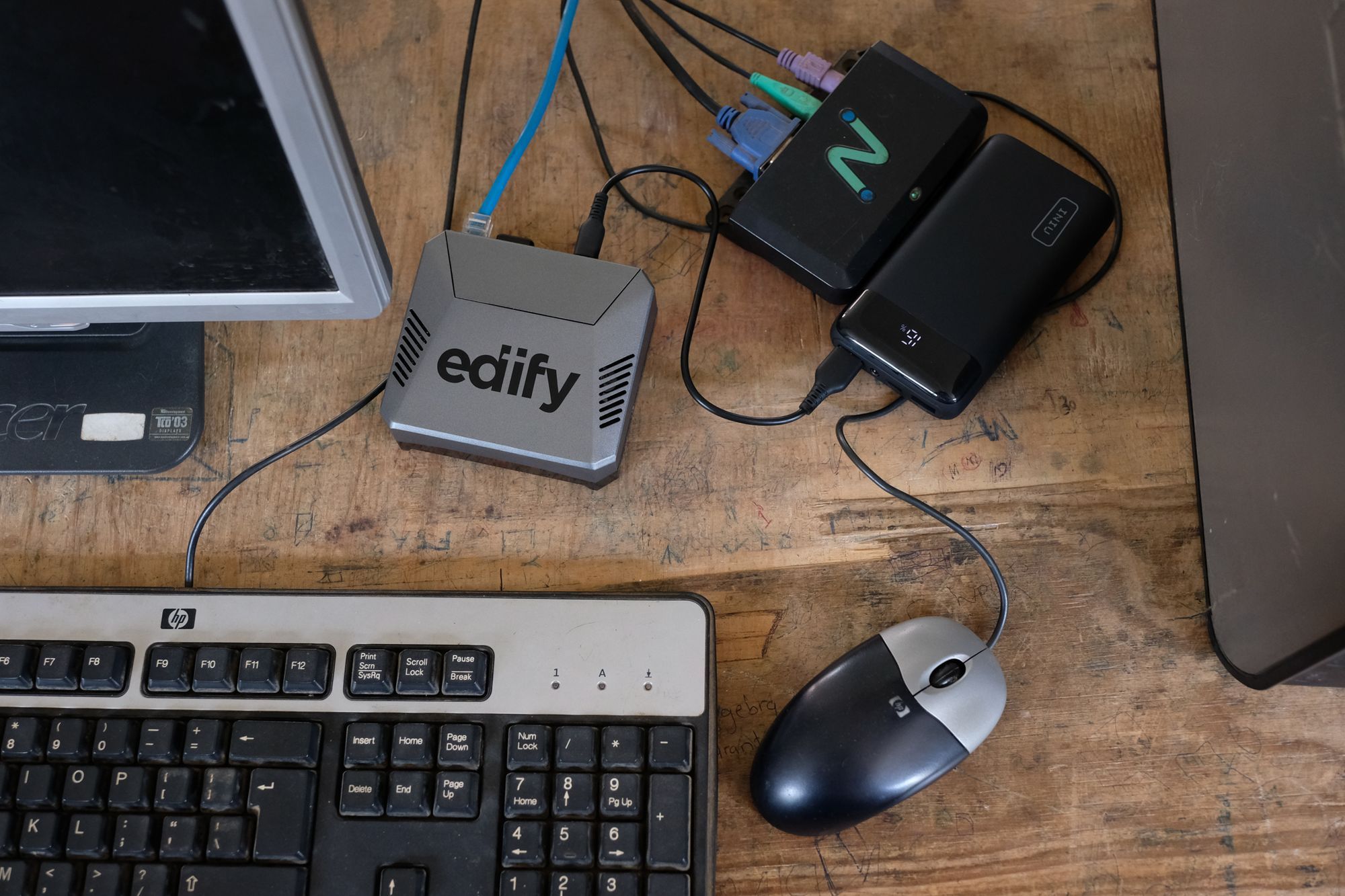
Partnering with an organization called Internet-in-a-Box, we customized a Raspberry Pi 4 device, installing it into a special case that enables us to provide 500 GB of space on an integrated solid state drive for a growing body of learning content. In February and March of 2022, we provided the first trainings and deployed the first set of new offline learning devices in East Africa with ten devices going to schools in Uganda and another ten to schools in Rwanda.
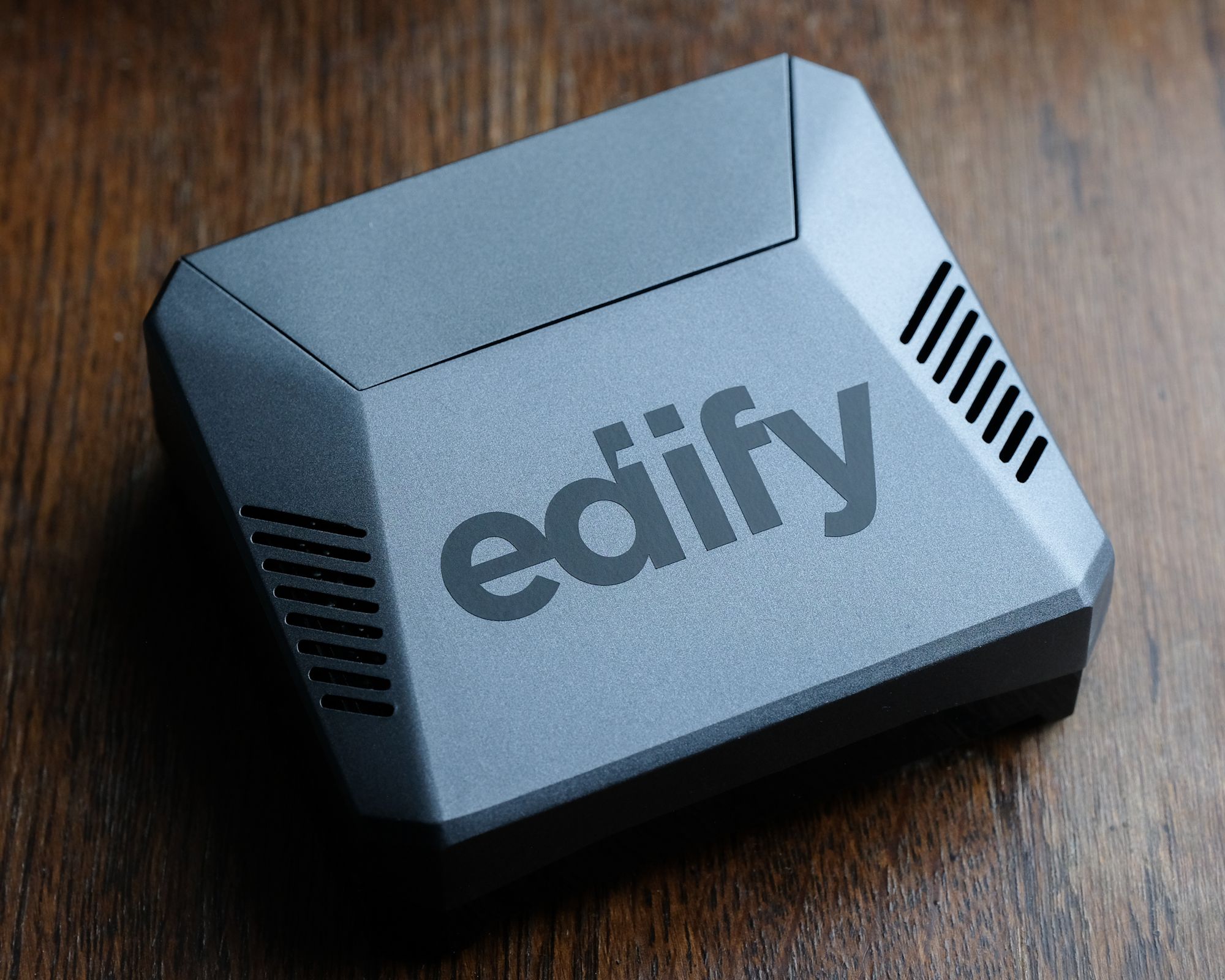
Edify's Offline Learning Device is…
- A Digital Library Offline to Enhance Student Learning Without Requiring Internet Connectivity
- A Resource to Teach Technology Skills
- A Platform to Create Localized Learning Content
TRAINING SCHOOL LEADERS IN JINJA
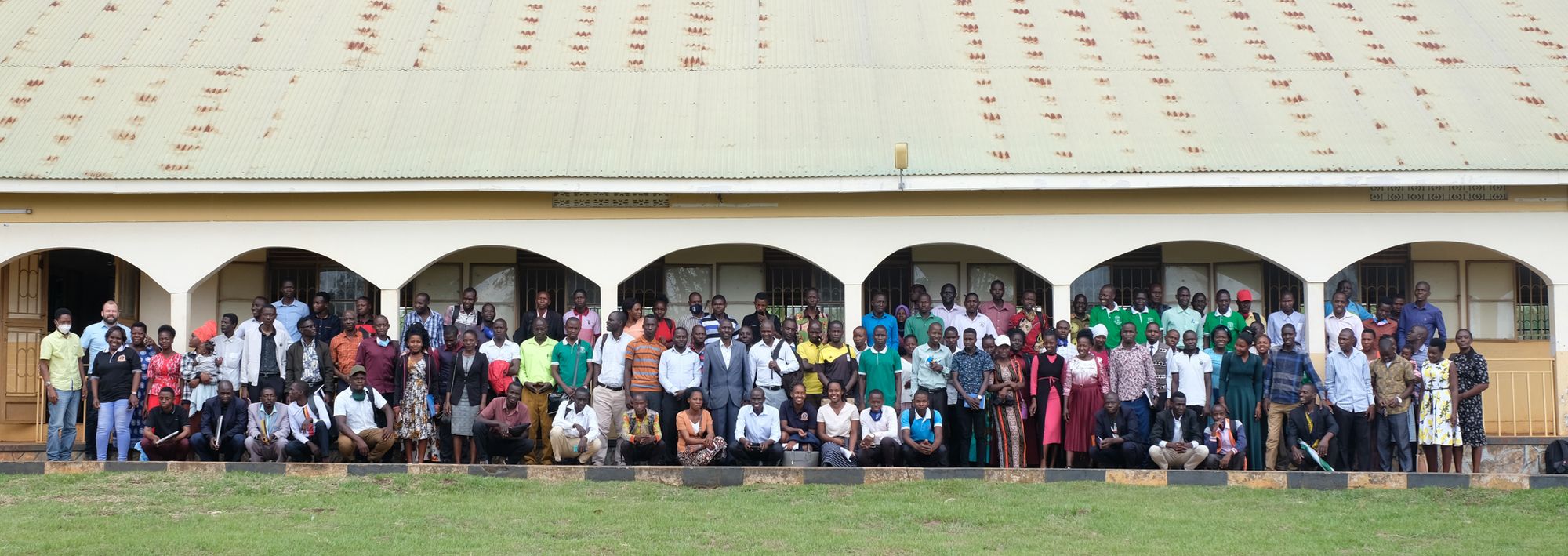
During our first day of EdTech integration training in Jinja, Uganda, 283 school leaders from all over the eastern region of Uganda showed up. This remarkable turnout demonstrated the value that Edify is bringing to schools all over Uganda as these leaders trusted that spending a day with us to discuss EdTech integration would be an effective use of their time. Their presence also showed just how urgently these school leaders sense their need to improve their use of education technology in schools. It was a privilege to share with these leaders about technology integration and to introduce our new device for offline learning. The persistent questions that we received were about how much the device would cost and how soon they could access it for their schools.
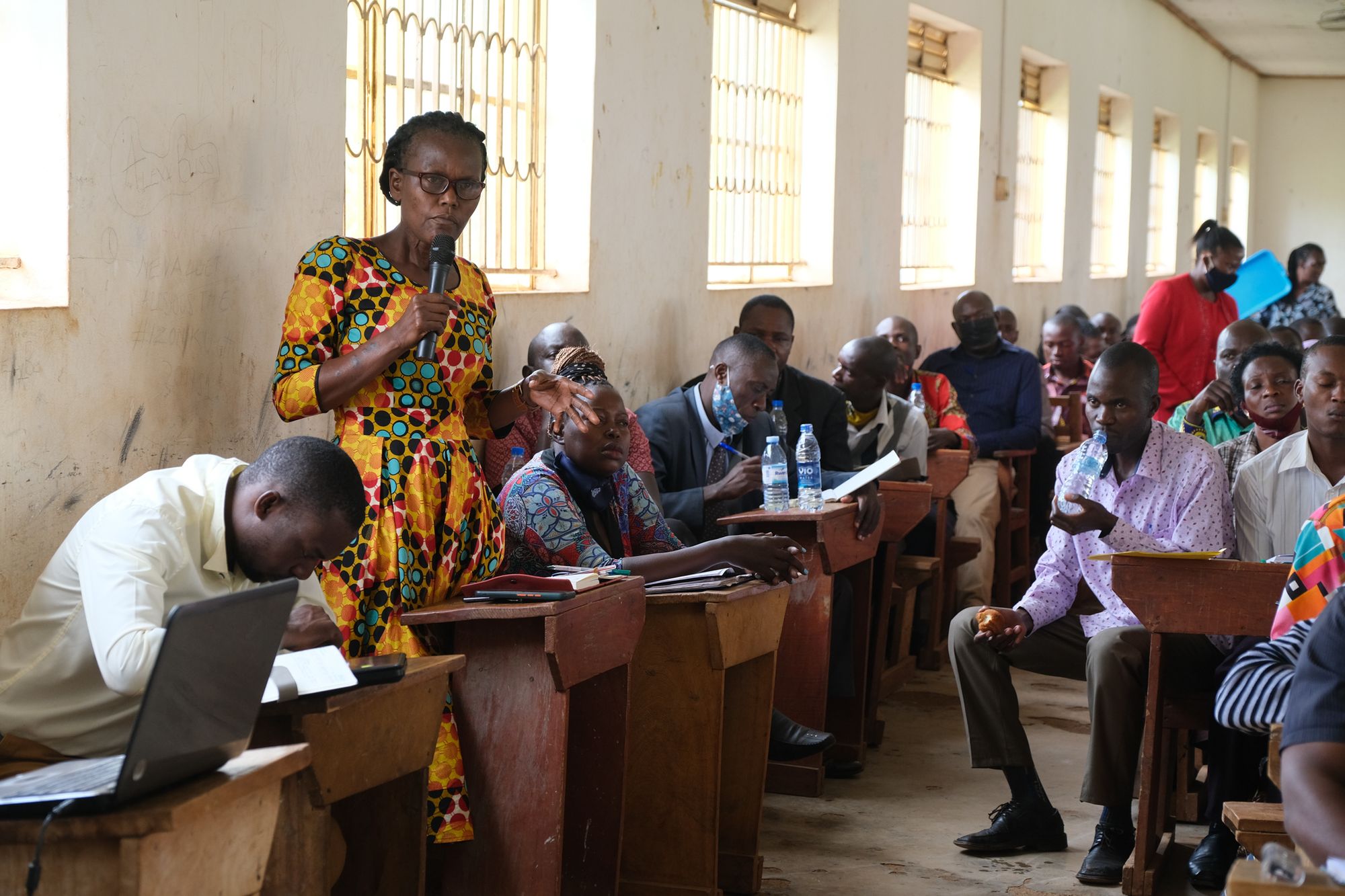
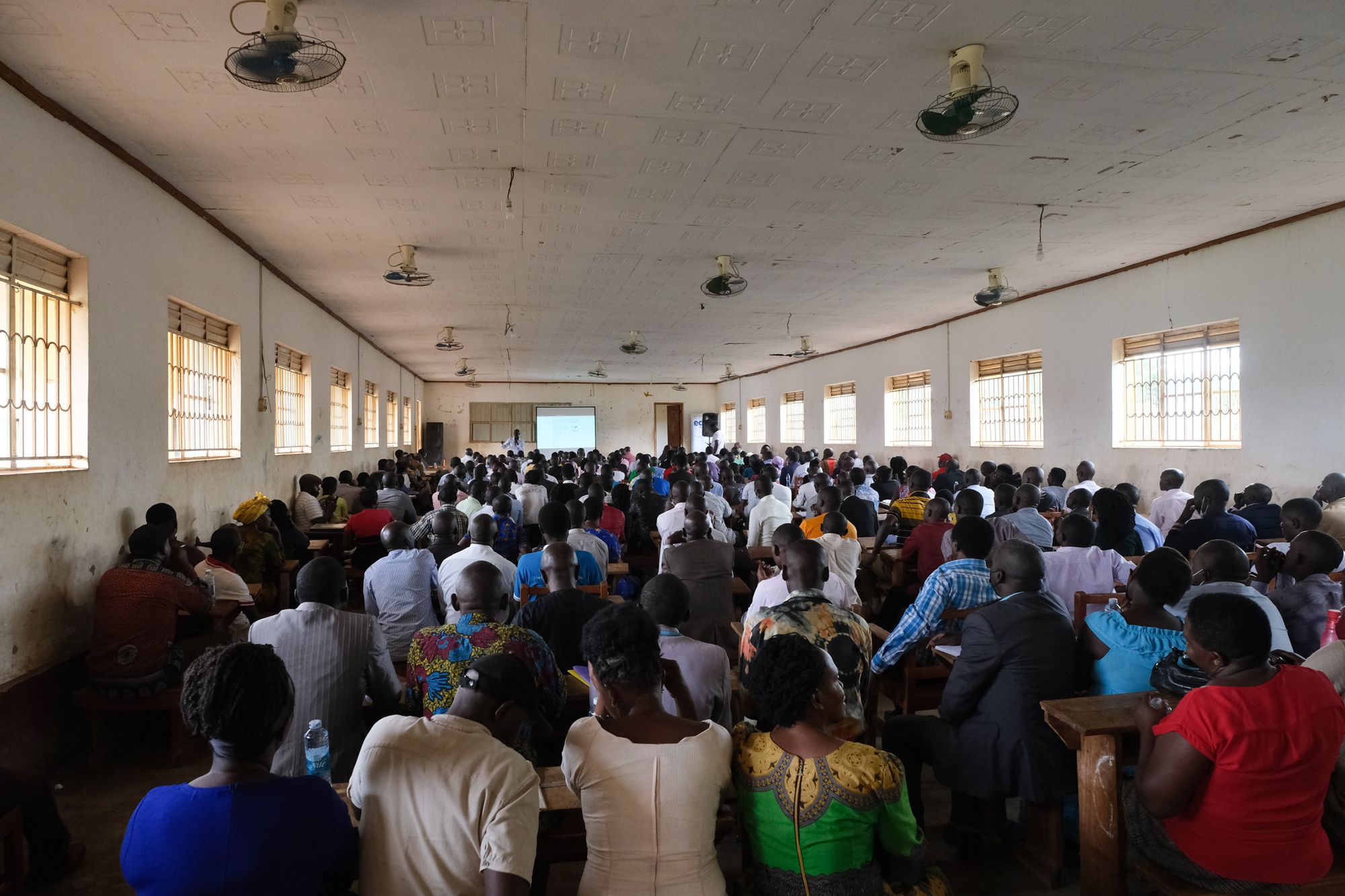
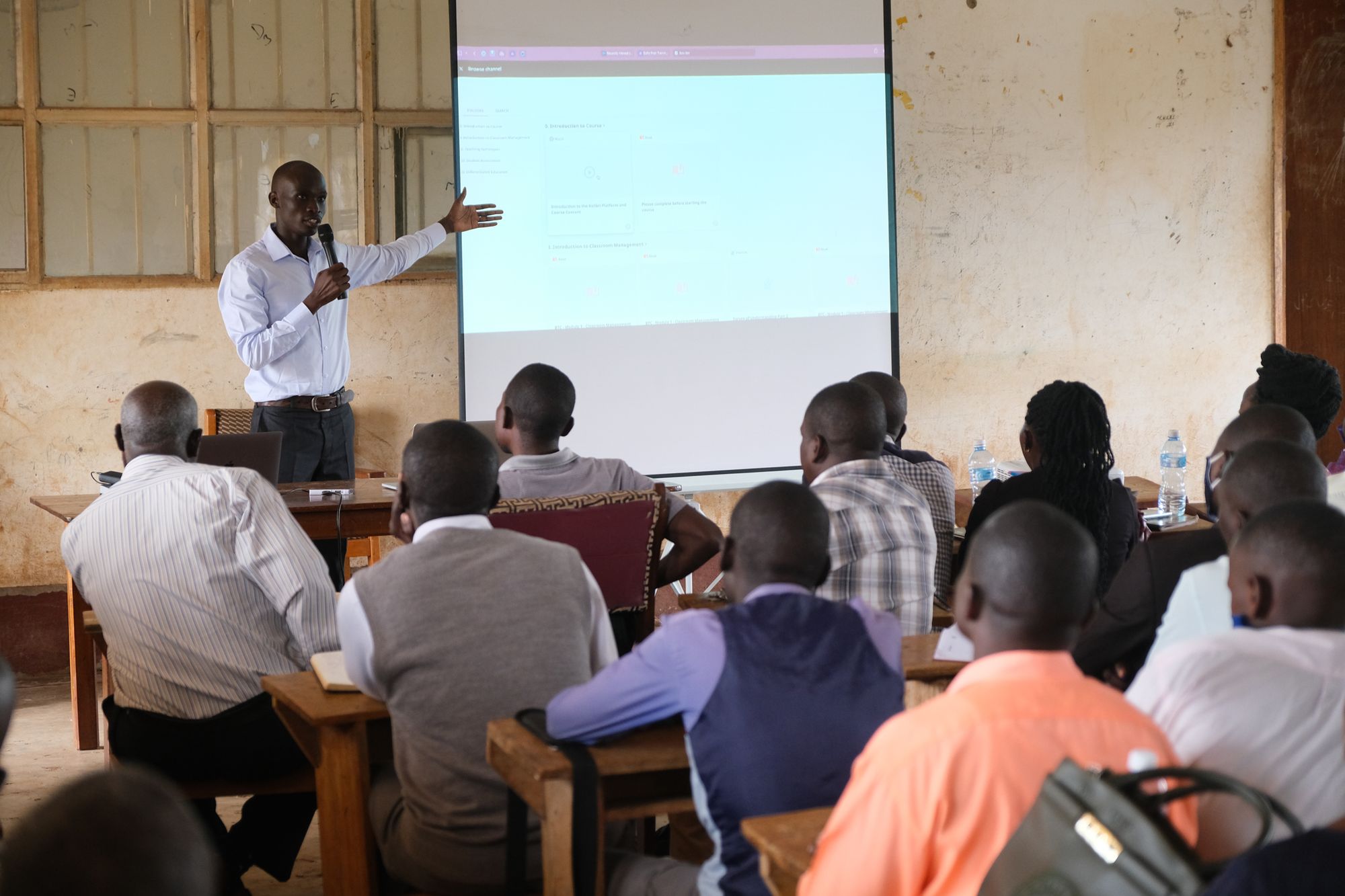
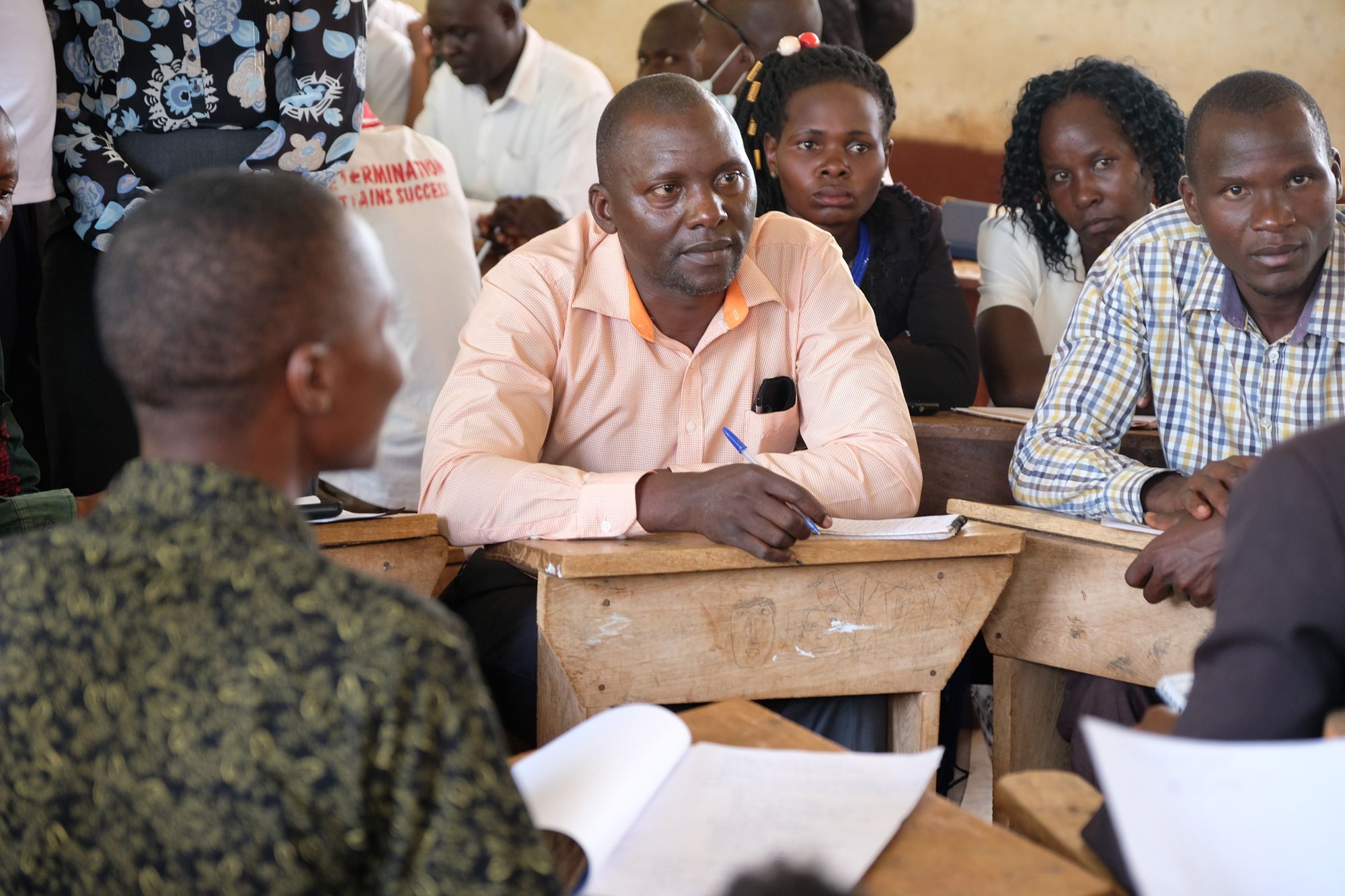
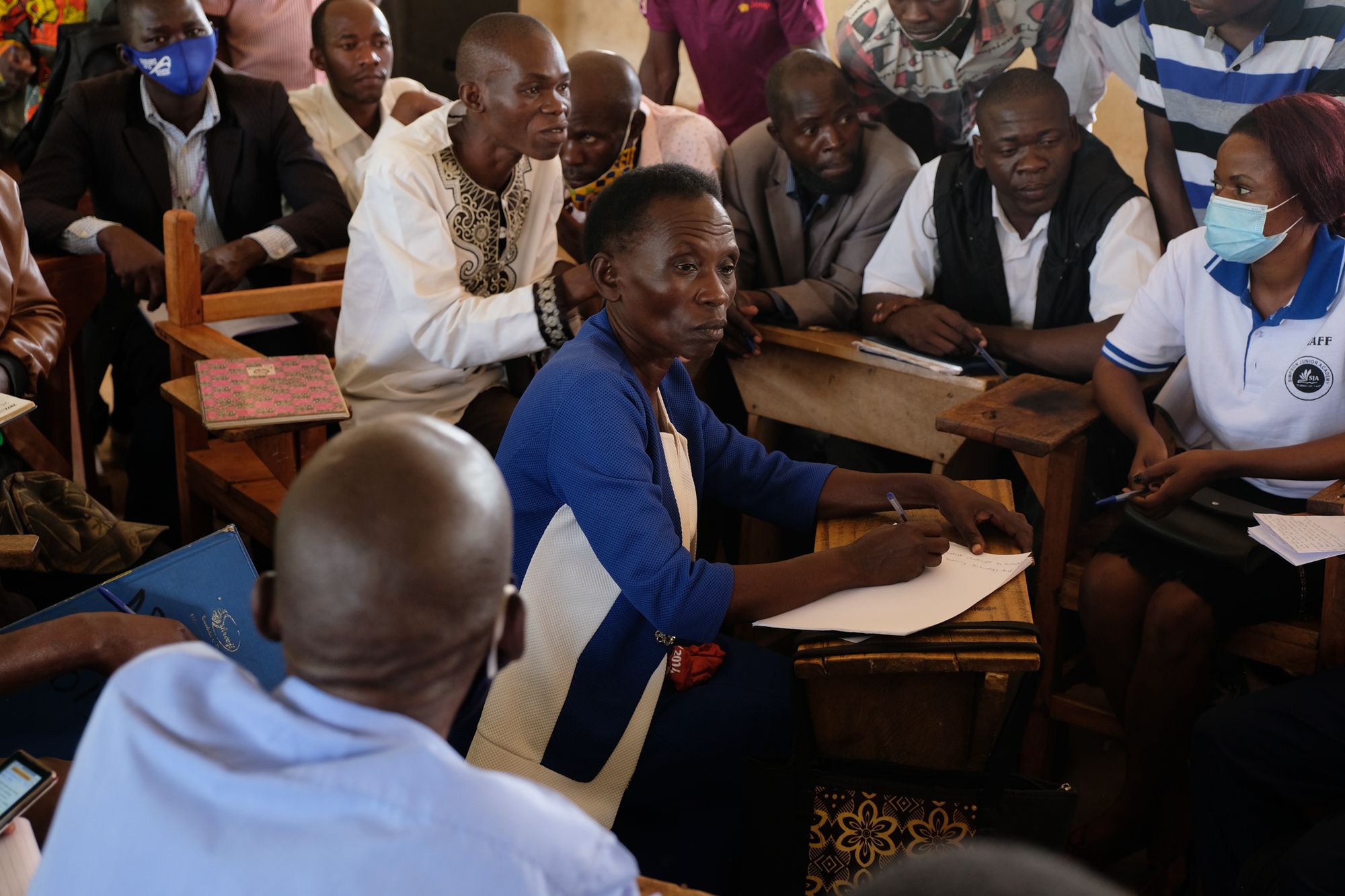
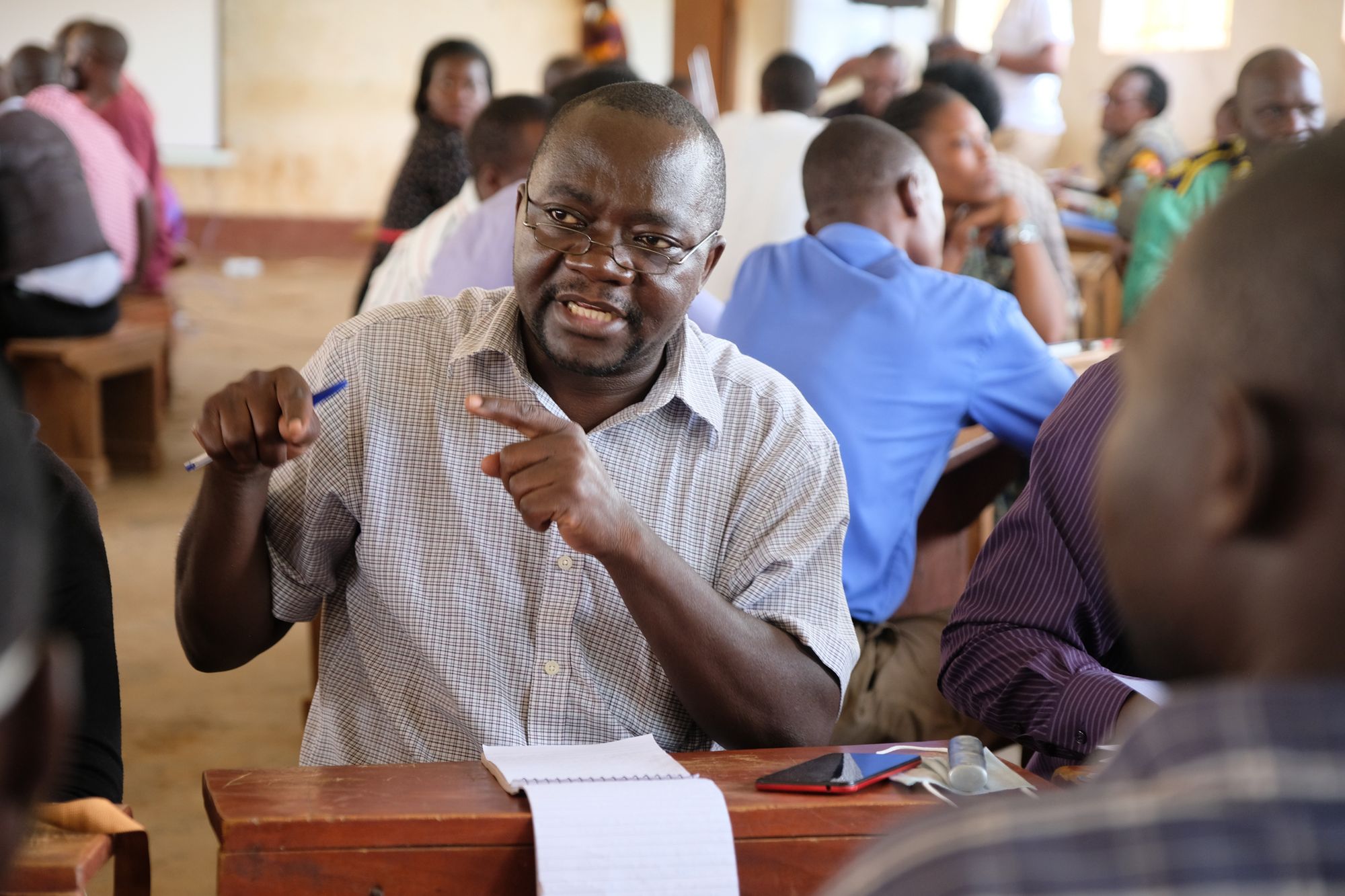
School proprietors and head teachers gathered to discuss education technology integration in the classroom.
TEACHER TRAINING IN JINJA
During our second day of training we focused on the teachers. Since teachers were coming from distant areas they could not all arrive at the same time so we divided up the experience into three sessions. The first session focused on EdTech integration and introducing our new offline learning device. In the second session, Denis O'Mario from the Edify EdTech team provided a hands on demo of how the new offline learning device works. The third session delivered by one of our training partners, focused on how to create engaging content for classroom learning using technology. Since the teachers moved through each 50 minute session with a break in between, we were able to make sure that every participant engaged with each part of the training experience.
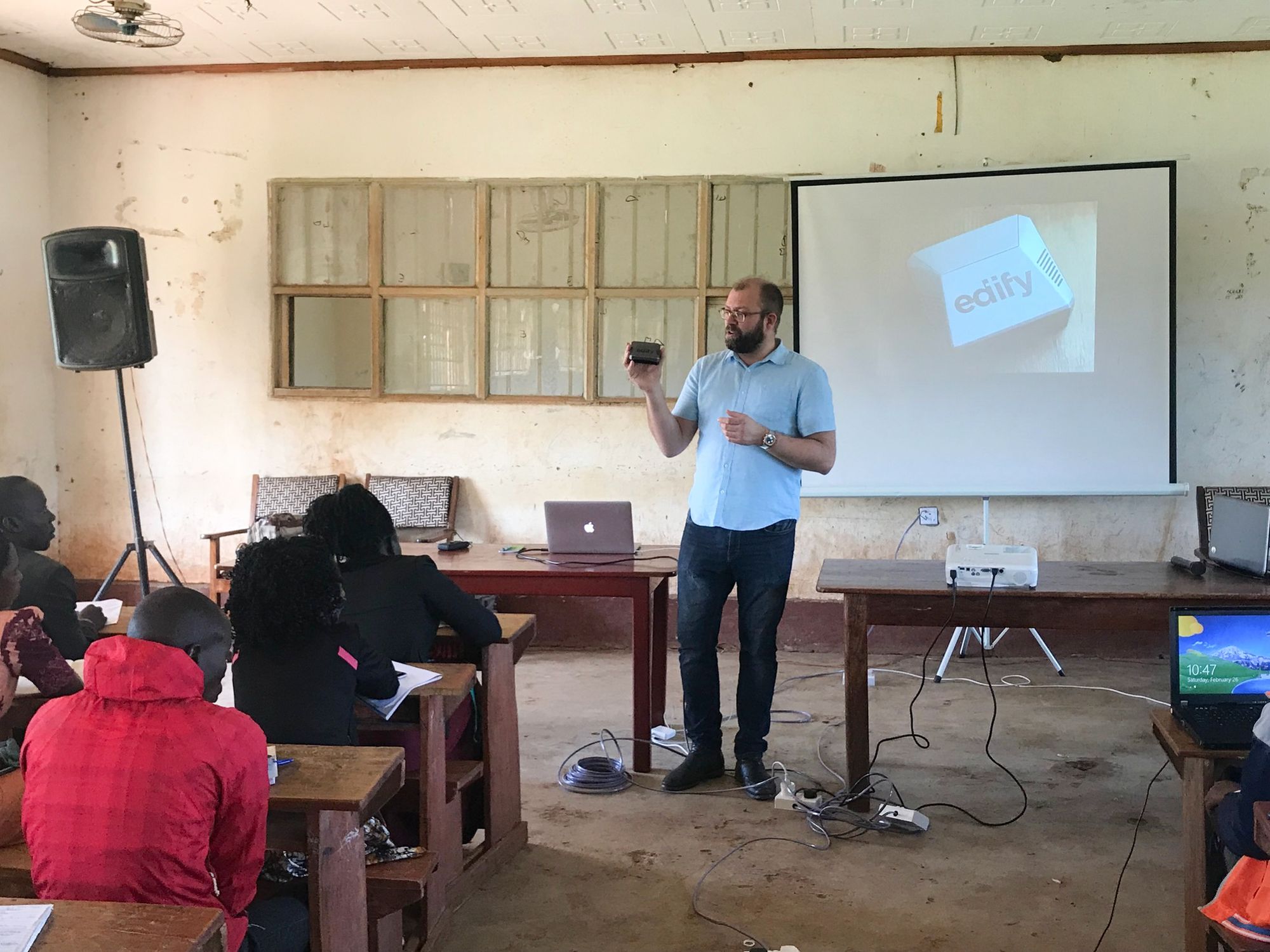
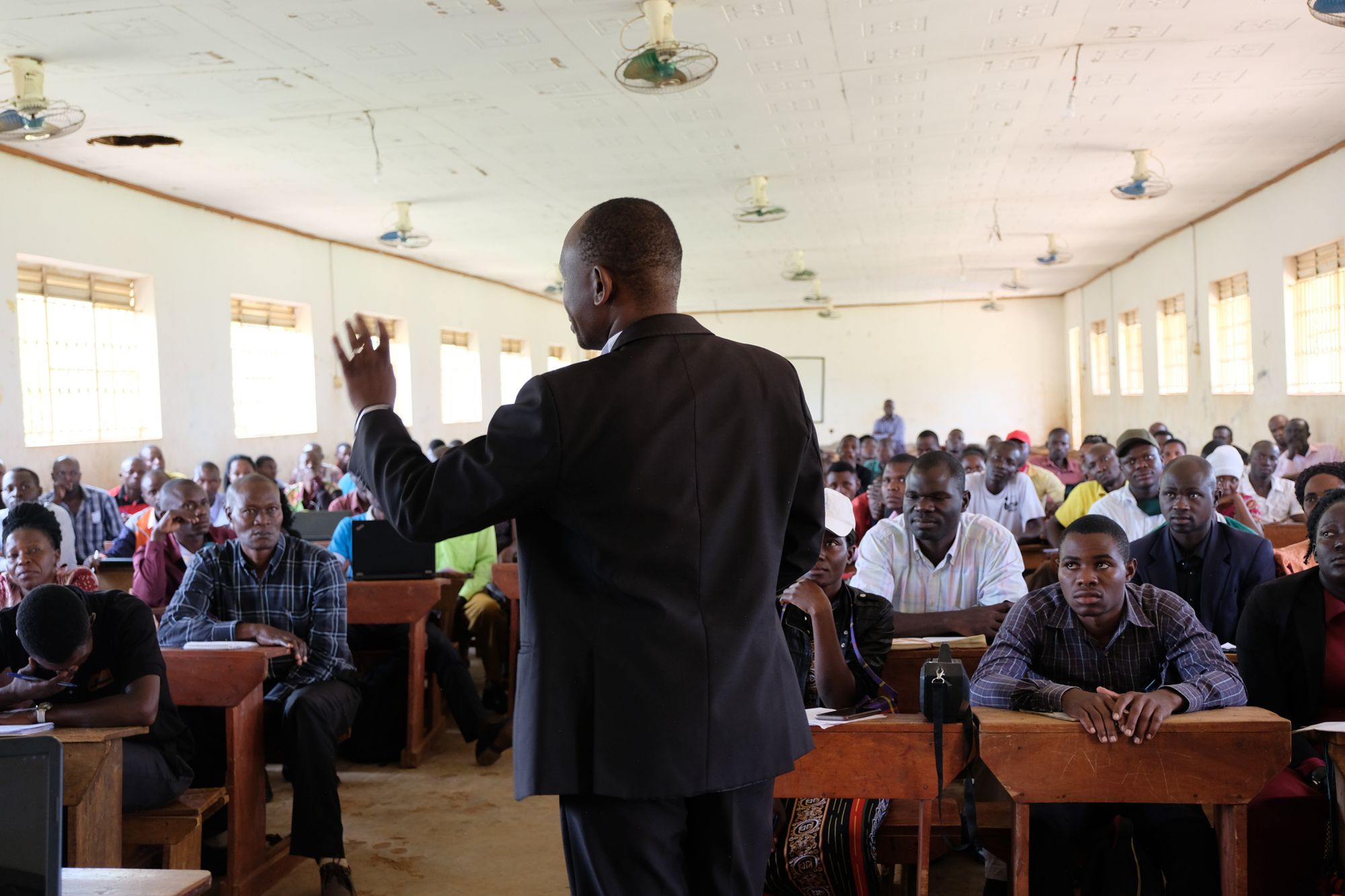
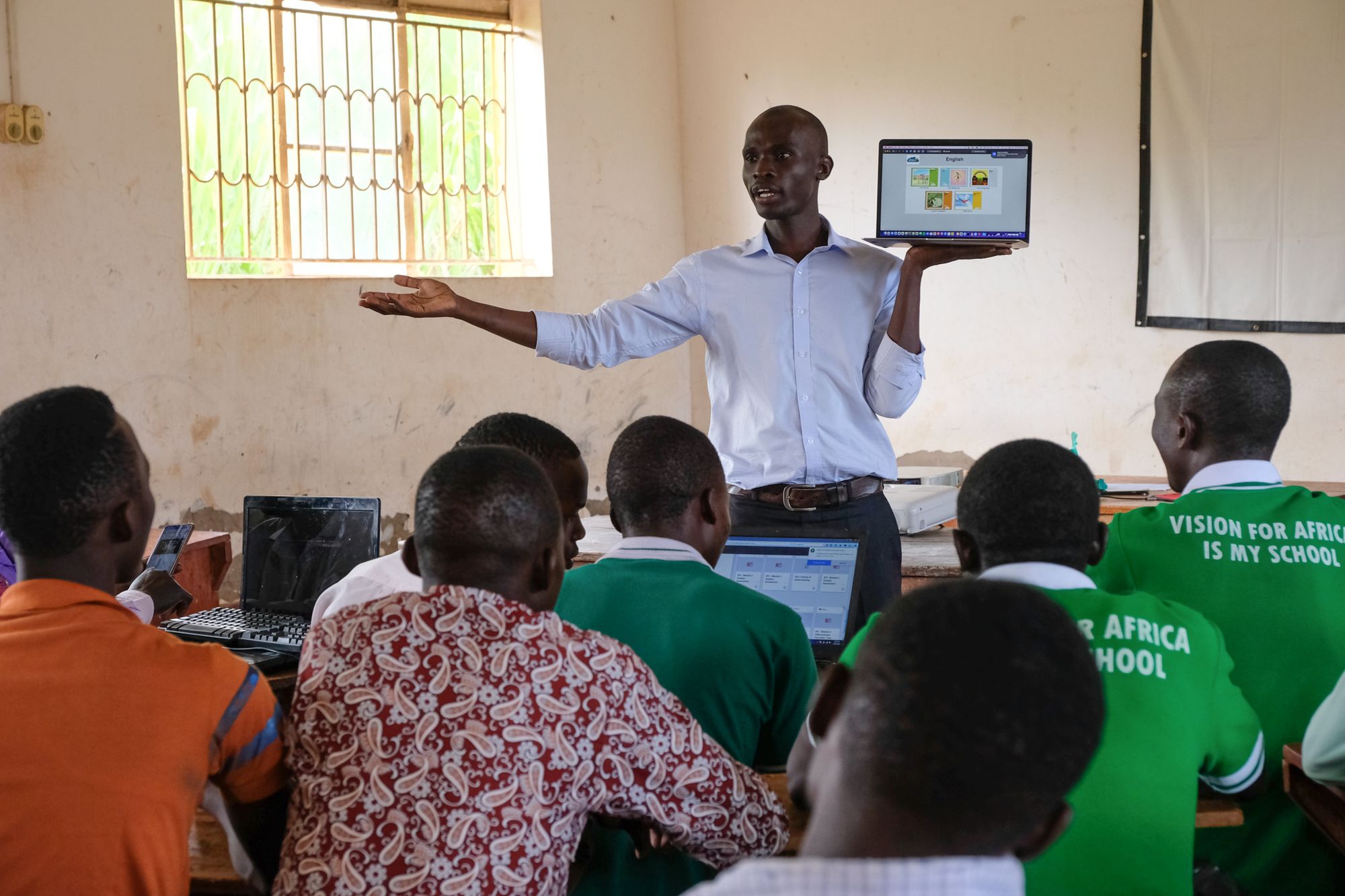
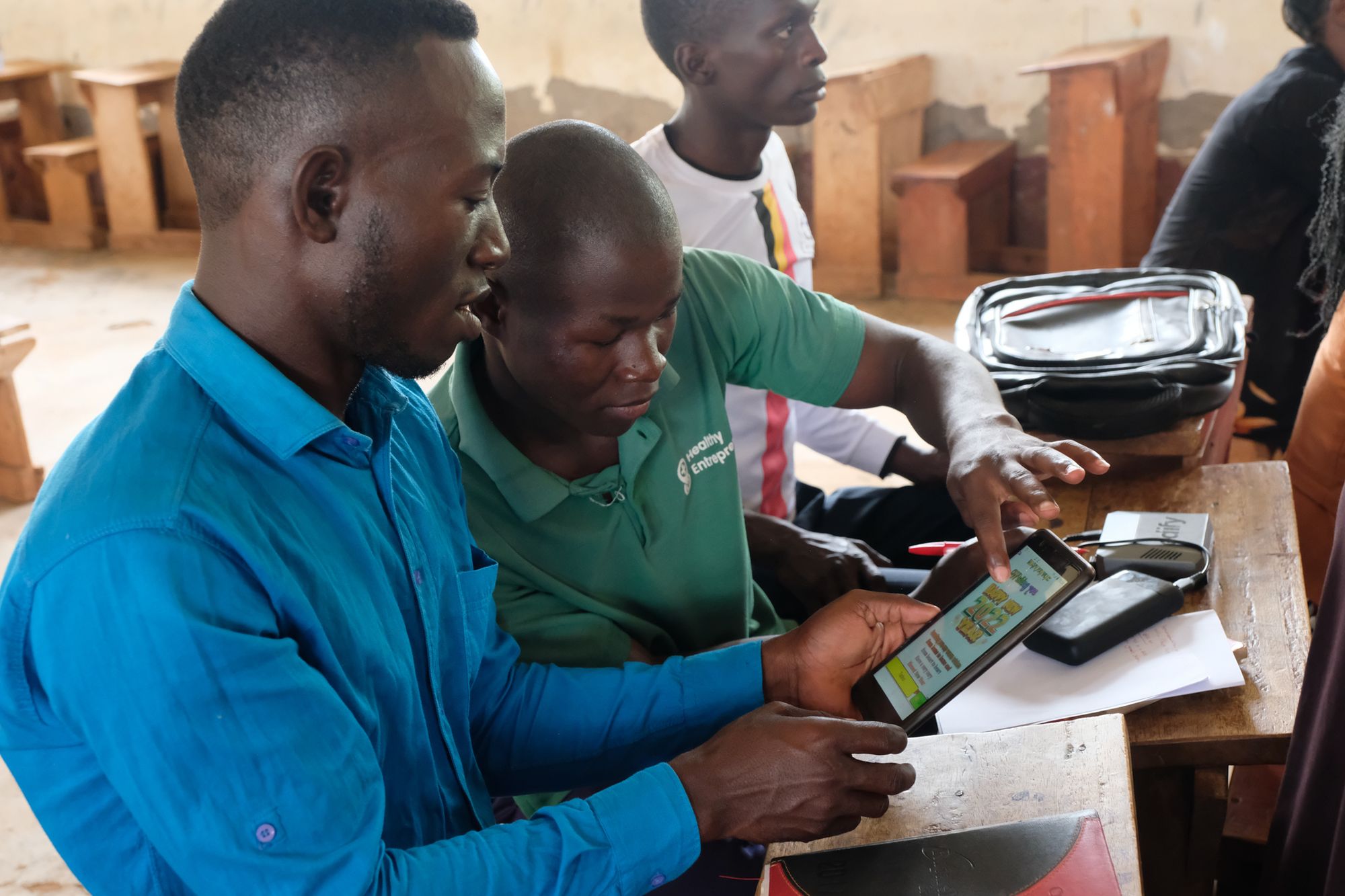
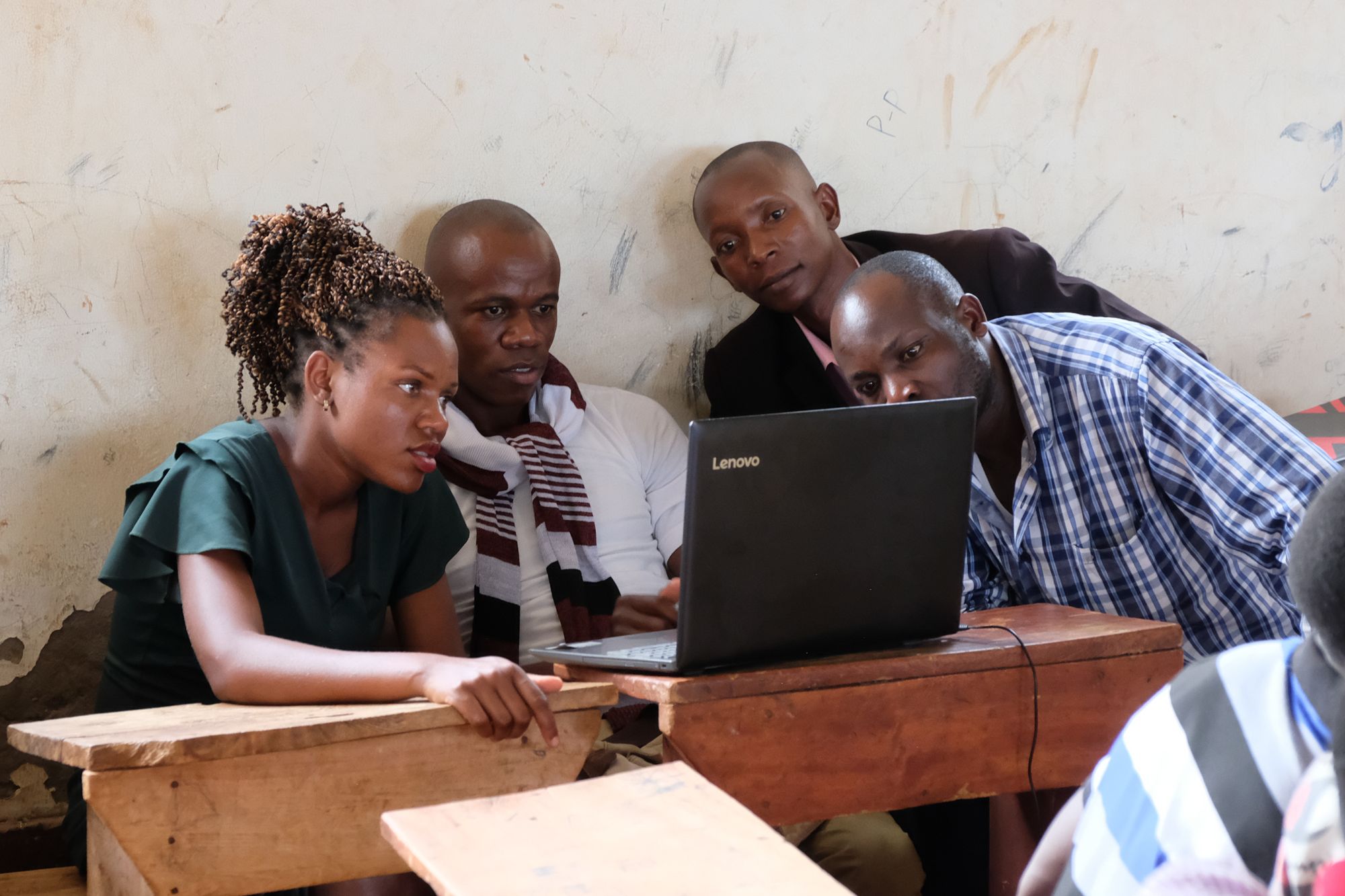
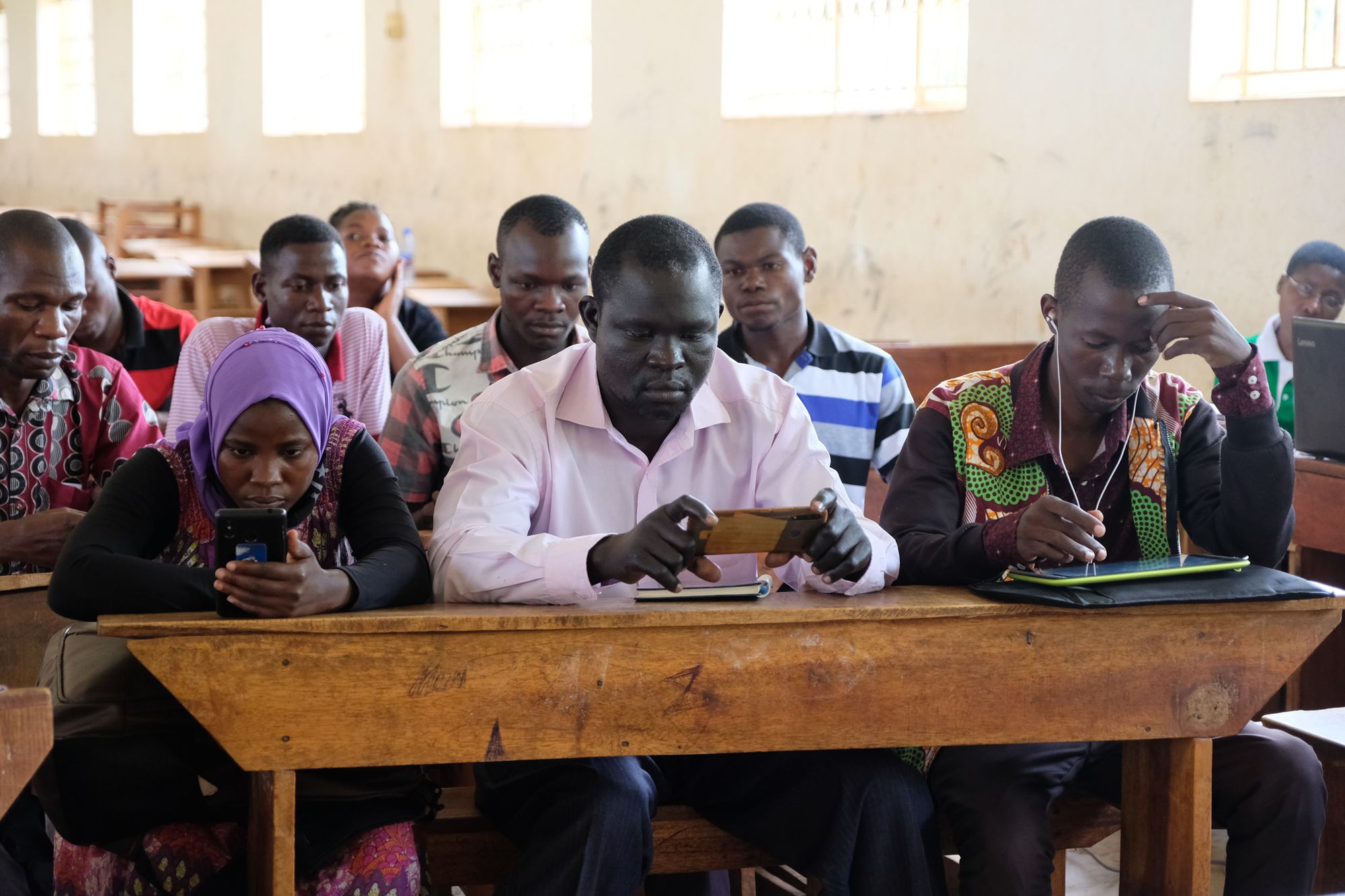
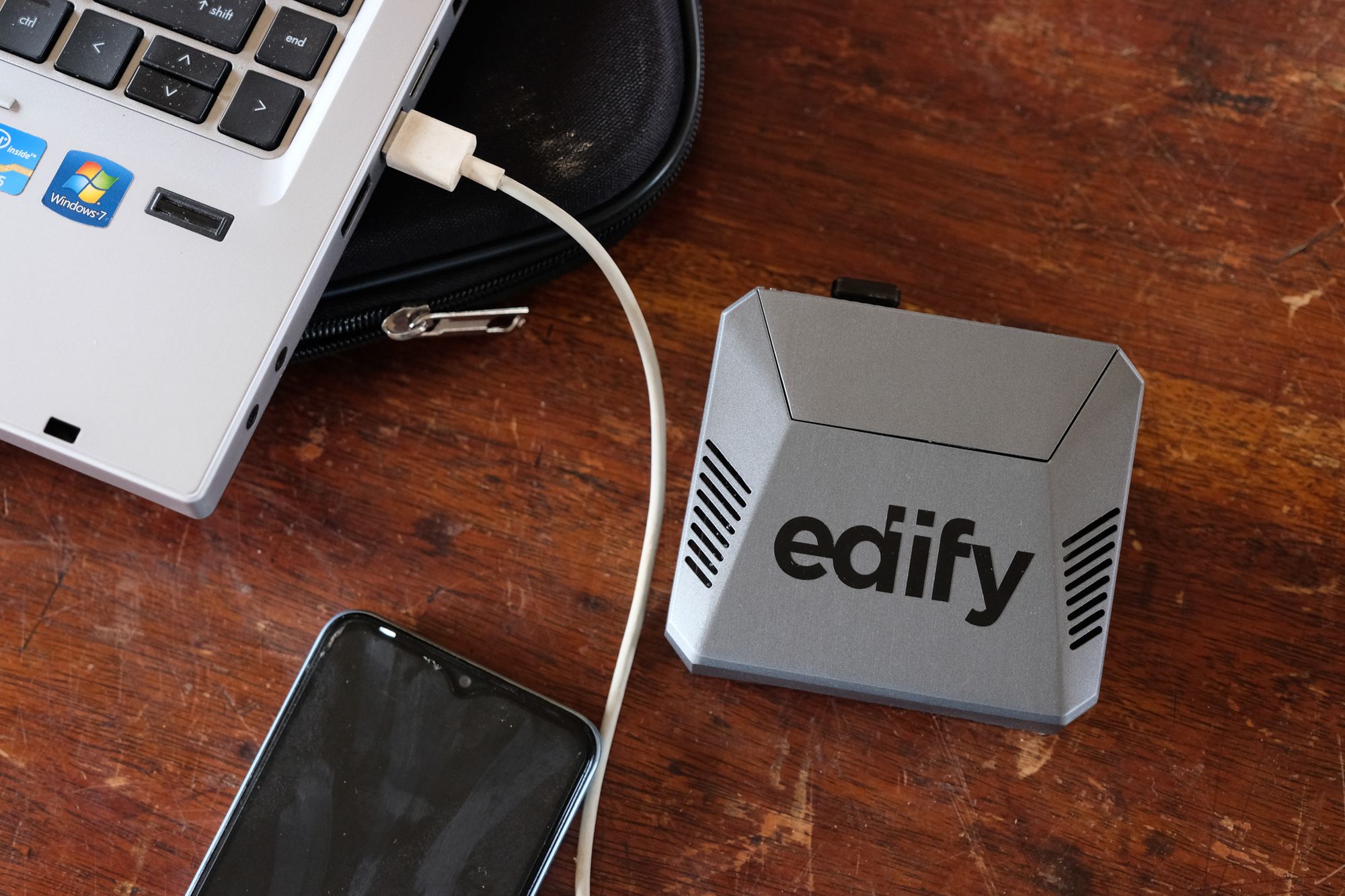
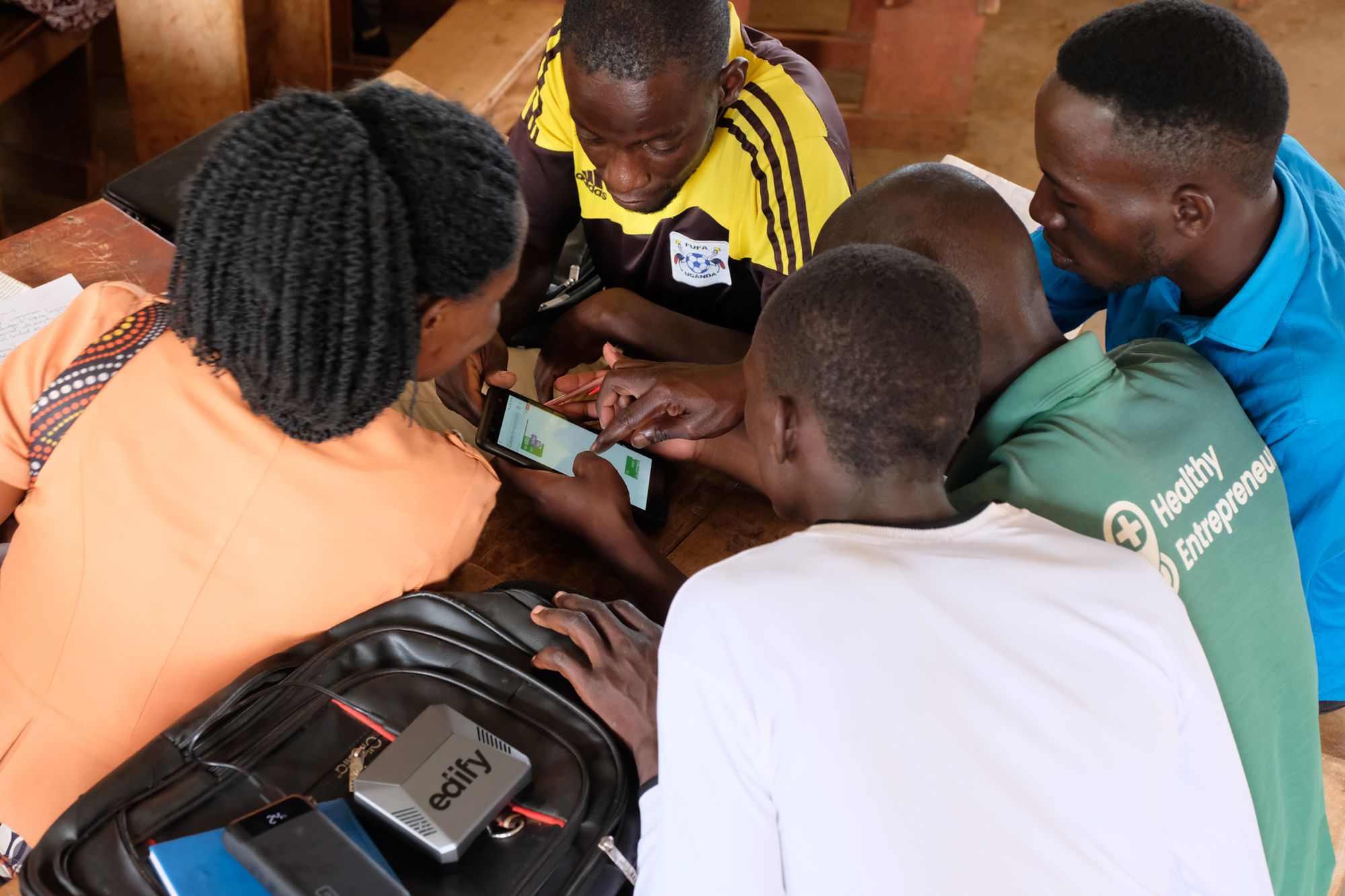
Teachers in Uganda engaging with the new Edify offline learning device.
Connecting with 120 teachers on the use of EdTech in the classroom was humbling and inspiring. These teachers dedicate themselves to student learning with limited resources and pay but with focused intensity on transforming the lives of students. That these teachers were choose to spend their Saturday with us learning more about how they can better integrate education technology with learning was truly a privilege. The persistent questions that we received as the teachers tested our new offline learning device were, how much will the device cost, how many students can connect and how soon can we use this new resource in our schools.